What does a Design Program Manager do?
“Shane, what do you do at work, though?” It’s a question I always hear, whether at brunch with friends, during meetings with new colleagues, or while trying to explain my job to family over the holidays.
The title of Design Program Manager (DPM) often leaves people curious about my day-to-day work. It's always mildly amusing to hear people's assumptions about how my job involves "sending emails" or doing UX and design work myself. Neither is quite right, but their curiosity isn't misplaced. And I get it: it's not immediately self-explanatory. So, let's unpack what a DPM does.
Setting the Scene
As a DPM at Microsoft, I empower designers to do their best work by ensuring the systems, processes, and rhythms supporting them are smooth, intentional, and enjoyable. At its core, my work is about enabling quality, efficiency, and collaboration. I also incorporate care and joy because, let's face it, life's too short to be miserable at work.
Depending on the company or industry, this role might go by other names:
- Design Producer
- Product Design Producer
- Design Ops Manager
- Creative Ops Manager
- Studio Manager
While the titles vary, the essence remains the same: We're the connective tissue that holds creative and operational processes together, ensuring teams can focus on their craft while meeting their deliverables. You may also see similar roles in research and product operations, which overlap with design operations but have unique nuances.
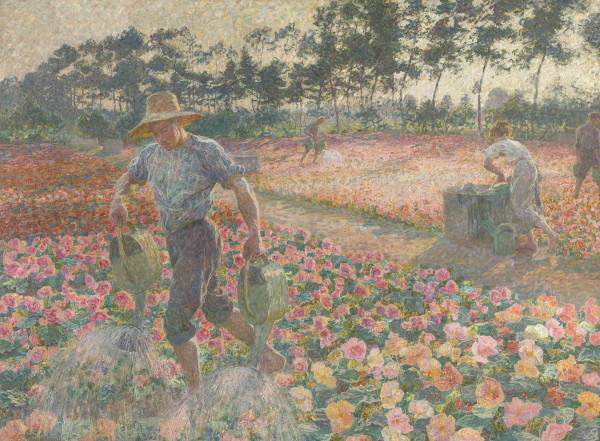
The DPM's Garden
Think of a DPM as a gardener, someone who nurtures the soil, tends to the plants, and ensures every element in the garden works in harmony. We're equally adept at stepping back to see the landscape and digging into the weeds to address the finer details. This dual perspective allows us to create the right conditions for creativity to thrive, ensuring that every aspect (from strategy to execution) is handled with care.
Here are some examples of the responsibilities that might belong to a DPM:
- Program Design and Management: Define, scope, and implement large-scale programs that align with organizational goals and deliver impactful outcomes. Oversee execution to ensure alignment with intended objectives.
- Planning and Coordination: Partner with product teams to define goals, map out timelines, and coordinate dependencies across disciplines. This happens at multiple levels: semester (6 months), quarterly (3 months), and sprint (2 weeks).
- Negotiation and Alignment: Collaborate with cross-disciplinary partners to align priorities, mediate competing needs, and ensure everyone feels heard and valued. It's about finding the best path forward without compromising trust or vision.
- Bridging Gaps: Ensure clear communication and stakeholder management across cross-functional teams, tackling challenges head-on.
- Organizational Design: Collaborate with leadership to define and refine team structures, roles, and responsibilities to ensure alignment with business goals and evolving needs.
- Chief of Staff Responsibilities: The chief of staff acts as a strategic partner to team leads, providing insights, managing priorities, and driving operational focus to maintain team momentum.
- Facilitation of Workshops: Plan, design, and lead workshops to align teams, generate ideas, and solve complex problems.
- Streamlining Workflows: Optimize tools and craft processes that let designers focus on their craft instead of chasing administrative tasks.
- Capacity Planning: Build systems to align team capacity and bandwidth with business priorities, ensuring the right resources are in place at the right time.
- Risk Management: Identify potential roadblocks or risks in projects early on and implement mitigation strategies to ensure timely delivery.
- Training and Onboarding: Develop and execute training programs to onboard new team members effectively and get them up to speed with tools and processes.
- Metrics and Reporting: Establish KPIs for design operations, track progress, and report outcomes to stakeholders for continuous improvement.
- Tool Implementation: Research, test, and roll out design tools or software that enhance team efficiency and streamline workflows.
- Driving Innovation: Identify and champion opportunities for process improvement, encouraging teams to adopt best practices and explore new methodologies.
- Budget Management: Oversee project budgets to allocate financial resources effectively, aligning with team and business priorities.
- Stakeholder Engagement: Build strong relationships with internal and external stakeholders to align goals and expectations, fostering long-term collaboration.
- Cultural Advocacy: Foster an inclusive and positive team culture by organizing team-building activities, creating feedback loops, and ensuring psychological safety.
Each of these responsibilities means constantly shifting perspectives: zooming out to see how everything connects, then zooming in to address the nitty-gritty details that keep the wheels turning. That's where the many hats of a DPM come into play, helping us navigate the complexities of our role with creativity and care. It's about ensuring our teams feel confident and supported in meeting their goals and how they achieve them.
All the Hats We Wear
Being a DPM is like being the ultimate hat collector. Every day, you're pulling out a different one. Sometimes, it's a wide-brimmed problem-solving hat; other times, it's a well-worn morale-boosting toque. Here are a few of the hats you would wear:
- The Juggler: Balancing priorities, deadlines, and unexpected curveballs, all while keeping the team moving forward.
- The Facilitator: Creating spaces for collaboration, alignment, and decision-making to ensure every voice is heard.
- The Mediator: Helping resolve conflicts and navigate differing perspectives to find win-win solutions.
- The Therapist: Being a sounding board for team members, offering support, and helping manage stress.
- The Glue: Keeping teams connected, aligned, and working seamlessly toward shared goals.
The Heart of Design Teams
At the core of every successful design team is a sense of connection: to their work, to their peers, and to the purpose that drives them forward. As Design Program Managers, we help weave that connection together. We bring clarity to complexity so the teams can focus on what matters most. We foster collaboration, ensuring that every voice is heard and every challenge is met with a collective spirit. We create the scaffolding that allows creativity to thrive, not by dictating the work but by clearing the way for brilliance to emerge.
The title might not immediately explain itself, but the heart of the role is this: making the ambitious achievable and the everyday more intentional, all while being the steady presence that holds it together. DPMs don't just manage programs; we nurture the ecosystem that enables great design to be possible.