Relearning the Irish tradition of Meitheal
As I’ve delved deeper into understanding the multitude of systems that dictate how we live, work, and interact with each other, it has become increasingly clear that our societal systems are not designed to meet everyone’s needs and well-being.
I've been seeking out people, places, and communities that are building new structures and systems outside the fraught capitalist systems that often feel inescapable. I was a little surprised when the wisdom I sought didn't come from some forward-thinking organization but rather from a conversation with my Dad.
A friend recently asked me a question about my grandparents that I found myself unable to answer, and I realized there's a lot I don't know about them. To learn more about my parents and make some changes, I've been interviewing them every other Sunday to ask questions about their childhood, family, experiences, and memories.
In one of these conversations, the concept of 'Meitheal' came up.
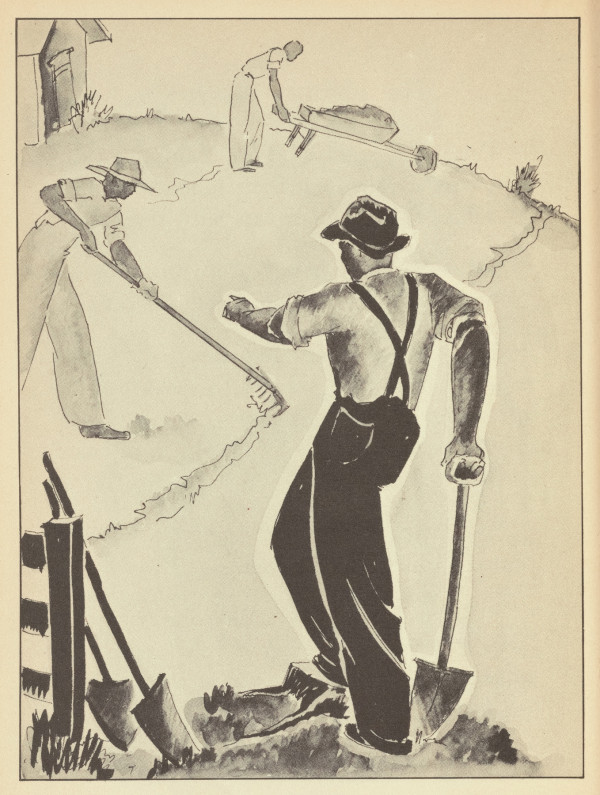
Meitheal (pronounced “meh-hel”) is a communal spirit and cooperative labour concept from rural Ireland. This ancient tradition dates back to when neighbours in these rural communities would come together to help each other when needed.
One example my Dad shared from his childhood was the need for local farmers to complete many seasonal tasks with limited resources. In a cooperative labour system, neighbours would form groups and unite to ensure that all 'jobs' were carried out and no one was left behind. There were no financial transactions involved, just a shared understanding and expectation that you always show up to support your community and help each other out.
He shared stories of how he and other children his age roamed free in their village, knowing they would always be fed if they showed up for dinner at a neighbour's house. In the same spirit, you knew you had to treat and listen to every 'mammy' in the village like your own or beware of the repercussions.
Life feels quite different for me now. I've lived in Dublin and Vancouver for the past 9 years, and I wish this concept of 'neighbours helping out neighbours' didn't feel alien to me. Perhaps it's a symptom of being in a more urban environment. Over time, I've come to realize that I've become overly focused on my individual needs and goals, and disconnected from the broader collective.
So, how might someone (aka you and me) embody the concept of Meitheal in modern times? Below are some of the actions we can take.
- Tool Libraries. Rather than everyone purchasing their own tools, tool libraries offer a shared inventory of tools for borrowing. This reduces costs, minimizes waste, and promotes the idea of communal resources for home repairs, DIY projects, and gardening.
- Repair Cafés. Repair cafés bring volunteers and neighbours together to fix broken items like clothing, furniture, and electronics. These events extend the life of belongings and encourage knowledge-sharing and collaboration to solve problems collectively.
- Mutual Aid Networks. Mutual aid groups embody the Meitheal spirit by organizing community-led support. Whether through meal trains, grocery deliveries, childcare swaps, or other informal care systems, these networks help individuals meet their needs without relying on formal institutions.
- Skill-Share Workshops. Communities often organize workshops where people teach each other skills for free or in exchange for another skill. Examples might include learning to cook, sew, fix a bicycle, code, or practice a language. Skill-sharing strengthens local ties and promotes lifelong learning.
- Shared Resource Platforms. Digital or in-person platforms enable communities to share items like tools, books, sports gear, or kitchen appliances. Examples include online sharing groups, neighbourhood "libraries of things," or informal lending circles.
- Neighbourhood Cleanups. Collective efforts to clean up parks, sidewalks, beaches, or shared spaces foster a sense of ownership and pride. Cleanup days often bring neighbours together to beautify their environment, combining physical work with social connection.
- Block Parties and Local Events. Street festivals, potlucks, or block parties rely on volunteer contributions and cooperation. These events encourage people to work together (setting up, cooking, or performing) to create shared joy and strengthen neighbourhood bonds.
- Housing and Living Co-ops. Housing cooperatives or co-living spaces create environments where residents share responsibilities like cooking, cleaning, maintenance, and resource planning. These communities emphasize shared ownership, decision-making, and collaboration.
- Community-Led Art and Public Projects. Murals, art installations, and creative public works rely on collaborative input. Residents can come together to design, paint, or build projects that beautify spaces, reflect shared values, and celebrate community identity.
- Makerspaces and Collaborative Workshops. Makerspaces provide shared tools, equipment, and workspaces for creative and technical projects. Participants collaborate, exchange knowledge, and pool resources to bring ideas to life, like woodworking, sewing, or 3D printing.
- Bike Co-ops and Repair Collectives. Communities can establish shared spaces for repairing and maintaining bicycles. These spaces provide tools, parts, and mentorship, encouraging individuals to share skills, reduce transportation costs, and promote sustainable living.
- Timebanking and Skill Exchanges. Timebanking allows people to trade their time and skills, where an hour given is an hour earned. Whether tutoring, helping with errands, or providing tech support, timebanking strengthens community trust and reciprocity.
- Community Kitchens and Meal Sharing. Shared kitchen programs bring people together to cook meals for themselves or others. Examples include "cook and freeze" days, meal trains for neighbours in need, or community potlucks where everyone contributes a dish.
- Crowdsourced Knowledge and Support. Digital communities, like forums or local chat groups, serve as spaces for advice, resource-sharing, and troubleshooting. Whether helping someone find a plumber, borrow a tool, or navigate bureaucracy, these platforms reflect Meitheal's cooperative nature.
- Peer Learning Circles. Groups that come together to learn collaboratively (like book clubs, climate action groups, or creative writing circles) promote shared learning and accountability through mutual support.
- Neighbourhood Watch or Care Networks. Communities can organize informal watch programs or care groups to look out for each other's safety and well-being, particularly for elderly neighbours, new families, or marginalized individuals.
- Crowdfunded Community Projects. Communities often gather to raise funds for shared goals, such as improving a park, restoring a public space, or supporting a neighbour in crisis. Collaborative fundraising demonstrates shared responsibility and care.
As we collectively navigate this moment of political change, environmental uncertainty, and increasing social disconnection, the Meitheal tradition offers a powerful blueprint for building stronger, more resilient networks within our communities. By investing our time and energy in collective action (whether through sharing resources, mutual aid, or co-creating solutions), we meet immediate needs and lay the foundation for deeper trust, reciprocity, and care.
The practices listed above serve as pathways to reconnect with those around us, reimagine how we support one another, and create a future where community is central to how we live, work, and thrive together. Writing this journal entry has been a much-needed reminder that systems of care and support beyond late-stage capitalism already exist. It has also reminded me to look inward when feeling stuck, because often, the answers we seek already live within our own experiences.
I'm glad my Dad reminded me of that.